

Ethiopian Coffee: Health, Culture, and Tradition

Ethiopian coffee is not a drink – it is an emblem of heritage, health, and culture. Coffee originated in Ethiopia, where coffee grows not only delicious but nutritious as well. In this article, we will discuss what makes Ethiopian coffee special, its nutritional value, health advantages, and the cultural importance of the Ethiopian coffee ceremony. By the end of it, you’ll understand why Ethiopian coffee is one of the best in the world.
What Makes Ethiopian Coffee Unique?

Image Source: Shutterstock
The Origin of Coffee in Ethiopia
One of the most well-known legends about the beginning of coffee dates back to 9th-century in Ethiopia. According to legend, a goat herder boy, Kaldi, noticed that his goats became particularly lively – on the verge of jumping and dancing – after eating bright red berries from one specific plant. The boy Kaldi, curious, ate the berries himself and felt a sudden energy boost. While this story is well-known, historians believe that this is an older myth than fact because the story did not appear in written history until the 17th century. Despite its authenticity, the legend emphasizes Ethiopia’s long and old association with coffee.
Unique Growing Conditions
Ethiopian coffee grows best in the country’s highlands, between 1,500 and 2,200 meters above sea level, where cool nights, ample rainfall, and fertile volcanic soils create the perfect environment for slow cherry maturation. This slower growth produces beans with dense structures and rich, complex flavors. Most farmers use traditional agroforestry methods, planting coffee under the shade of native trees, which preserves biodiversity and keeps the beans naturally organic. Each region, from Yirgacheffe to Sidamo and Harar, contributes its own unique notes – floral, citrus, or berry-like – making Ethiopian coffee one of the most distinctive in the world.
Flavor Profile of Ethiopian Coffee
Ethiopian coffee is 100% Arabica, with fruit, floral, and wine-like flavors. Yirgacheffe, Sidamo, Harrar Limu, Teppi, Arsi, Bedele, Illubabor, Guji, and Jimma are some of the top regions where 100% distinctly flavored beans are produced and appreciated across the globe by coffee enthusiasts.
Nutritional Value of Ethiopian Coffee

Image Source: Pixabay
Rich in Antioxidants
Ethiopian coffee contains plenty of antioxidants, especially chlorogenic acids, that protect the body from free radicals and reduce the risk of chronic diseases. Because of its high-altitude growing, Ethiopian coffee is likely to contain higher antioxidant levels than much commercial coffee.
Key Vitamins and Minerals
A serving of Ethiopian coffee supplies modest but significant quantities of potassium, magnesium, and vitamin B2 (riboflavin). These help with energy production, healthy blood pressure, and general well-being and make each serving more than a tasty beverage.
Clean and Natural Energy Boost
As a natural source of caffeine, Ethiopian coffee generates long-lasting energy and mental clarity without the artificial additives or the sudden crash of energy drinks. Its subtle stimulation increases concentration and productivity throughout the day.
Health Benefits of Ethiopian Coffee
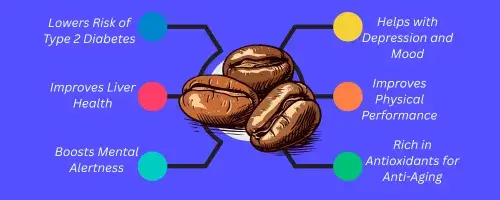
Image Source: Canva
Improves Physical Performance
Ethiopian coffee can give your body a natural stimulus for energy. Caffeine achieves this by breaking down fat, sending it into the bloodstream as fuel for muscles. Studies show fat-burning effects of up to 28% in lean people and around 10% in obese people. It also increases metabolism by 3–11% and adrenaline, which primes the body for physical activity. Most athletes take coffee before exercise to improve endurance and stamina for this reason.
Helps with Depression and Mood
A cup of Ethiopian coffee can do more than just wake you up – it can brighten your mood. Caffeine boosts dopamine, the brain’s “happiness” chemical, and antioxidants protect brain cells from stress. Research shows that regular coffee drinkers are less likely to experience major depression. To Ethiopians, coffee is a tradition and a natural way of nurturing emotional well-being.
Enhances Mental Alertness
Thanks to caffeine, Ethiopian coffee also improves concentration and makes you more alert. It improves reaction time, memory, and concentration in general. The flavor and aroma also stimulate the senses, making you more alert and awake during the day.
Reduces Risk of Type 2 Diabetes
Since over 250 million people worldwide are afflicted with type 2 diabetes, coffee brings promising protection. According to studies, coffee drinking can lower the risk by 23% to 50%, with a maximum of 67% in some cases. In a massive review, it was revealed that each daily cup lowered the risk by about 8%. Ethiopian coffee, being high in antioxidants, is among the most significant elements included in improving insulin sensitivity and metabolic health overall.
Improves Liver Health
Ethiopian coffee is linked to better liver function. World Journal of Hepatology research articles show that individuals who consume coffee on a regular basis can have up to a 40% less likelihood of developing liver cirrhosis. The protective compounds in coffee reduce inflammation and enhance overall liver health over time.
Rich in Antioxidants for Anti-Aging
One of the hidden powers of Ethiopian coffee is that it is rich in antioxidants. The antioxidants fight off free radicals, which are the culprits for cell damage and aging. In this way, coffee can keep your body and skin healthy for an extended period of time, and it is actually a natural anti-aging drink.
The Ethiopian Coffee Ceremony and Its Role in Health

What is the Ethiopian coffee ceremony?
The ceremony is a traditional ritual where coffee is roasted, ground, and boiled in a clay jebena pot with the use of buna kurs. It is often performed three times a day and lasts over an hour.
Health and Social Benefits of the Ceremony
Encourages mindfulness and peace Binds family and community together Preserves a natural stress relief
Coffee Ceremony vs. Modern Coffee Drinking
In contrast to our modern-day “grab-and-go” society, the Ethiopian tradition promotes deliberate, unhurried sipping of coffee that will benefit both body and brain.
How to Enjoy Ethiopian Coffee the Healthy Way
Best Preparation Methods: Slow drip or traditional jebena (clay pot) methods are most conducive to maintaining the native flavor and nutrients.
Drink in Moderation: 2–3 cups daily is ideal for most people.
Healthy Additives: Don’t add excessive sugar; instead, add honey or spices like cinnamon and cardamom for nutritional content.
Potential Risks and Things to Watch Out For
• Too Much Caffeine: An excessive amount of over 5 cups a day can cause insomnia or anxiety.
• Sensitive Groups: A doctor’s permission should be obtained before excessive coffee consumption for pregnant women, children, and those with heart disease.
Ethiopian Coffee vs. Other Coffees
Arabica Quality: unlike Robusta beans elsewhere, 100% Arabica Ethiopian coffee is smoother, healthier, and more antioxidant-rich.
Flavor and Health Differences: Ethiopian coffee is regarded as more nutrient-rich and fuller in taste than other origins. That is why the country is ranked 5th globally as a coffee exporter, providing millions of bags each year.
Conclusion
Ethiopian coffee is not just a drink – it’s a healthy practice, a cultural treasure, and an international classic. From antioxidants to a mood boost, the health benefits are endless. The Ethiopian coffee ceremony adds an extra touch of consciousness and social interaction.
The next time you sip, slow down, savor its flavor, and remember that you’re drinking a piece of history.